


Table of Contents
- What Is Laser Welding and Why It Matters
- Why Laser Welding Matters in Plumbing and HVAC
- Real-World Applications in Plumbing and HVAC
- Addressing the Concerns: Is Laser Welding Practical on the Jobsite?
- Key Considerations Before Adopting
- Safety First: Understanding Laser Welding Hazards
- The Future Is Laser-Driven
- Conclusion
In the ever-evolving biosphere of mechanical contracting, staying forward of the curve meaning adopting tools and techniques that progress efficiency, reduce downtime, and improve precision. For plumbing and HVAC technicians, one such invention making serious waves is laser welding technology. While laser welding is no longer used in aerospace, automotive, and manufacturing, current advancements have made it progressively viable for jobsite use in both the construction and mechanical trades. This article explains the breakdown of how laser welding is changing real-world fieldwork and what it means for plumbing and HVAC professionals.
What Is Laser Welding and Why It Matters
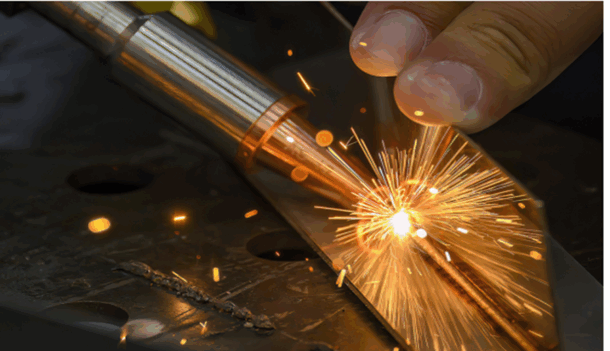
Laser welding usages an extremely focused beam of light to dissolve and fuse materials — particularly metals — with thrilling precision. Unlike traditional arc welding (MIG, TIG), laser welders generate strong, clean welds while diminishing heat distortion and material damage.
For plumbing and HVAC techs, this means:
- Lesser warping on thin metal pipes or duct sheets
- Cleaner welds on stainless steel or aluminium
- Capacity to weld in tight, hard-to-reach places
- Faster, more reliable outcomes — particularly on repetitive tasks
One standout merchandise is the Handle 5-in-1 Laser Welding Machine, a moveable unit that combine welding, dusting, cutting, and more. It is designed for small-to-mid-sized fabrication factories and field service procedures — perfect for contractors looking to enhance versatility to their tool store.
Why Laser Welding Matters in Plumbing and HVAC
Traditionally, plumbing and HVAC installations are depended on methods like TIG welding, brazing, or solvent welding—each having their own set of limitations. These techniques could be time-consuming, including significant heat alteration, and frequently need extensive post-processing.
Laser welding is changing the game as:
- Improved Speed and Productivity
The most notable benefit is faster weld speeds. Laser welding could frequently complete a seam in a fraction of the time it would take using MIG or TIG methods. In eventful commercial HVAC installations or tight-deadline retrofit jobs, this speed benefit is a major asset.
- Improved Joint Strength and Precision
Appreciations to the concentrated heat zone, laser welds frequently exhibit superior mechanical strength and nominal thermal damage to adjacent components. This is particularly beneficial for tight spaces common in mechanical rooms or confined ductwork installations.
- Minimal Post-Weld Clean-Up
With outdated welding, the clean-up procedure—grinding, polishing, and reworking—could eat into valued time. Laser welds are cleaner, frequently eliminating the requirement for secondary procedures. This is a big win for technicians engrossed on competence and turnaround time.
Real-World Applications in Plumbing and HVAC
- Stainless Steel Piping Systems
Stainless steel is progressively common in high-end residential, commercial, and industrial plumbing systems because of its durability and resistance to corrosion. Though, welding stainless with traditional approaches could be tricky and time-consuming. Laser welding delivers a cleaner, fast alternative for joining stainless steel pipes, making it perfect for chilled water systems, compressed air lines, or chemical distribution piping.
- Ductwork and Sheet Metal Fabrication
For HVAC technicians engaged in custom duct fabrication, laser welding permits for tighter seams with better aesthetic finishes—particularly important in exposed architectural installations. It likewise decreases the chance of leakage, making it easy to meet modern airflow effectiveness standards.
- Precision Components and Control Panels
Laser welding’s capacity to work on small, intricate parts with minimal distortion making it perfect for building or repairing HVAC control panels, custom brackets, or sensor housings.
Addressing the Concerns: Is Laser Welding Practical on the Jobsite?
The common perception is that laser welding is more suitable to factory floors than field installations. That is rapidly changing. Modern portable laser welding units, like the 5-in-1 handheld laser welder, are lightweight, calm to operate, and designed with field technicians in mind.
These tools frequently combine cutting, cleaning, and welding functions in one unit, eradicating the requirement for multiple pieces of equipment. Some models even embrace integrated cooling systems and built-in safety features, making them perfect for mobile operations.
Key Considerations Before Adopting
While the advantages are compelling, laser welding is not a plug-and-play solution for all job. Some points that must be considered by technicians:
- Material Compatibility
Laser welding working best with metals like stainless steel, carbon steel, and aluminum. For PVC or copper pipe applications, alternate techniques would still be preferred.
- Training Requirements
Though easy to learn than TIG, technicians would still require basic training on laser optics, machine calibration, and safety procedures. Providentially, many manufacturers now offer hands-on demos and certification programs tailored to trade experts.
- Cost of Entry
While charges are dropping, laser welding equipment is still more luxurious than traditional units. Nevertheless, for businesses focused on quality, speed, and ROI, the longer-term savings in labor and rework frequently justify the investment.
Safety First: Understanding Laser Welding Hazards
Similar to any high-energy equipment, laser welding systems come with precise safety requirements. Direct exposure to the laser beam could cause serious injury to the eyes or skin. Hence, always use:
- Proper eye protection (OD-rated laser glasses)
- Shielding screens in dynamic work areas
- Training in emergency shut-off procedures
Also, be alert of reflective materials—laser beams could bounce, posing hidden hazards. Certifying a controlled environment for each weld would travel a longer path in minimizing risk.
The Future Is Laser-Driven
As building codes tighten and potentials for performance and aesthetics rise, the burden is on for plumbing and HVAC pros to deliver higher-quality results quicker. Laser welding is not just a flashy upgrade—it is transforming as a strategic benefit for contractors who desire to set themselves apart.
With more manufacturers entering the field, expect continued invention in:
- Battery-powered laser welders
- Smart laser guidance systems
- Welding automation compatible with BIM and CAD tools
Conclusion
For plumbing and HVAC technicians, implementing laser welding could much than just quicker joints—it could redefine what is possible on a jobsite. Whether you are retrofitting a higher-rise or fabricating custom pipe gatherings, laser welding offers the kind of speed, precision, and cleanliness that contemporary mechanical systems demand.
As the industry moving toward smarter, more competent solutions, being an early adopter of laser welding technology would set the business different from others.
For more information, visit this YouTube.


