


Table of Contents
When heavy rain hits, few things frustrate homeowners – and plumbers – more than a yard that won’t drain. Across Queensland and much of Australia, intense downpours can quickly turn lawns into shallow ponds, saturate soil, and overload stormwater systems.
From a plumber’s point of view, managing this problem is part science, part craft. Good drainage is more than digging trenches – it’s understanding how water moves across a site, how soil reacts, and how to design a system that keeps both the property and plumbing network resilient.
The Challenge Beneath Our Feet
Surface flooding often starts with unseen issues underground. Common triggers include poor grading that directs runoff toward homes, compacted clay soils with low permeability, blocked downpipes, or undersized stormwater pits.
In many cases, the solution begins with inspection, not excavation. A quick look with a CCTV drain camera can reveal collapsed sections, root intrusion, or sediment buildup. Once the cause is clear, plumbers can decide whether to intercept, redirect, or disperse the excess water.
Core Drainage Solutions That Deliver Results
French Drains
A plumber’s staple for decades, the French drain remains one of the most effective subsurface drainage solutions. Installed below grade, it channels water away through a gravel trench and perforated pipe. It’s ideal for soggy lawns, garden beds, and along the base of retaining walls.
Channel or Trench Drains
Perfect for driveways and patios, channel drains collect surface water before it migrates into foundations. When connected to a stormwater system, they help plumbers manage flow at key runoff points.
Soak Wells and Stormwater Pits
A properly sized soak well or pit acts as a buffer, capturing roof and surface water and allowing it to disperse gradually. The design must account for rainfall intensity, soil absorption rates, and overflow capacity.
Yard Drains and Catch Basins
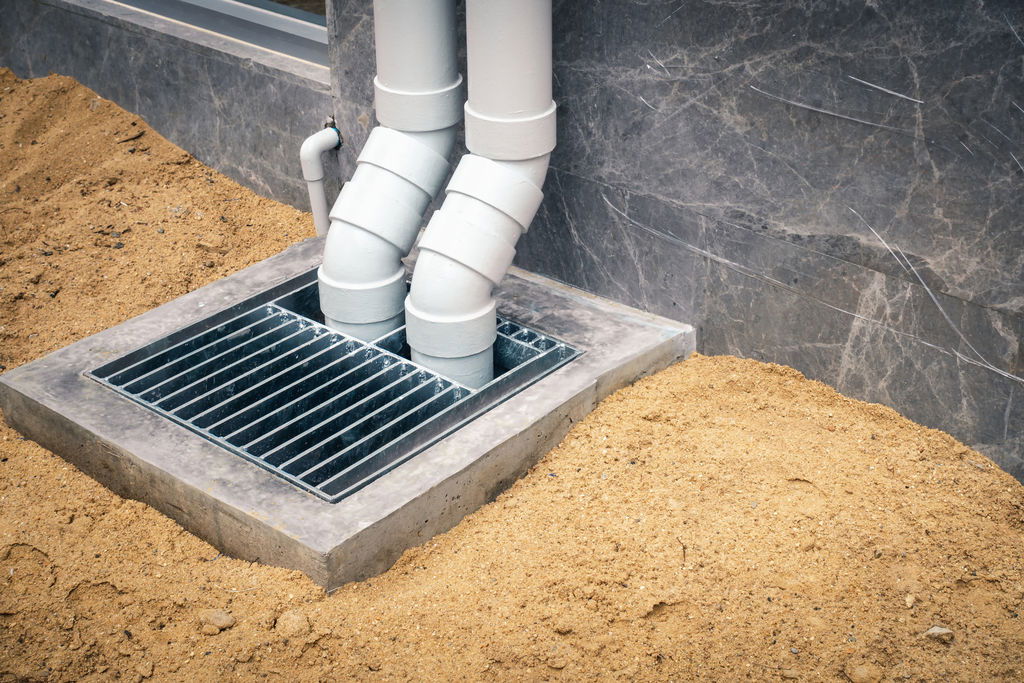
For minor yard flooding, catch basins positioned at low points can make a major difference. Connected via underground piping, they form an efficient network that keeps lawns functional even during heavy rain.
Sump Pumps
In sites below street level or where gravity drainage isn’t viable, a sump pump system provides mechanical removal. It’s not the first choice for every property – but when needed, it’s the only thing standing between a flooded lawn and a dry one.

From the Field: Queensland’s Flooding Reality
Ask any plumber in Southeast Queensland and they’ll tell you – yard flooding is as much about geography as it is about plumbing. In Brisbane, the Sunshine Coast, and surrounding regions, intense summer storms combined with dense clay soils make proper stormwater design essential.
Local experts like Static Plumbing have refined the process, offering custom drainage systems tailored to these conditions. Their work often involves combining French drains with high-capacity pits and precision-graded channels to keep homes dry year-round. Annual inspections using tools like CCTV drain inspections and high-pressure jetting, they ensure long-term performance even in the harshest weather.
Pro Tips for Plumbers
- Design for maintenance: Always include inspection points and removable grates for easy cleaning.
- Respect slope and grade: Even a few millimetres of incorrect fall can cause standing water or backflow.
- Size correctly: Undersized pipes or pits are a common cause of recurring floods – overspec slightly for peace of mind.
- Educate homeowners: Show clients where pits, grates, and overflow lines are so they can maintain them between service visits.
- Check local standards: Always comply with AS/NZS 3500 and local council stormwater guidelines before installation.
Maintenance: The Hidden Half of Drainage Design
Even the most robust system can fail if it’s neglected. Blocked pits, full gutters, or compacted soil can all lead to sudden flooding. Encourage property owners to:
- Clear gutters and downpipes at least every three months.
- Inspect pits before each storm season.
- Schedule a professional drain flush annually.
Plumbers who build maintenance plans into their service offering not only prevent future problems – they strengthen client relationships and create steady workflow throughout the year.

Looking Ahead: Smarter Drainage for a Changing Climate
With rainfall patterns becoming more unpredictable, the industry is moving toward smarter, more sustainable drainage. Innovations like permeable paving, rainwater harvesting, and IoT flood sensors are finding their way into residential and commercial systems alike.
For plumbers, this shift means adapting skills – combining hydraulic understanding with sustainability and technology. It’s an exciting evolution that positions the plumbing trade at the forefront of climate resilience.
Final Thoughts
Every yard that floods tells a story about water’s persistence – and a plumber’s opportunity to solve it. Whether through French drains, sump pumps, or smart stormwater design, the goal remains the same: control, protect, and prepare for what nature delivers.
In flood-prone areas across the globe, plumbing leaders are showing how modern drainage design, combined with local knowledge, can transform waterlogged lawns into resilient landscapes – one trench, pit, and pipe at a time.


